 Reviewed by Marcus Knapman, BSc (Hons) Computing ·
Researched from 100+ Amazon customer reviews
· How we review
Reviewed by Marcus Knapman, BSc (Hons) Computing ·
Researched from 100+ Amazon customer reviews
· How we review
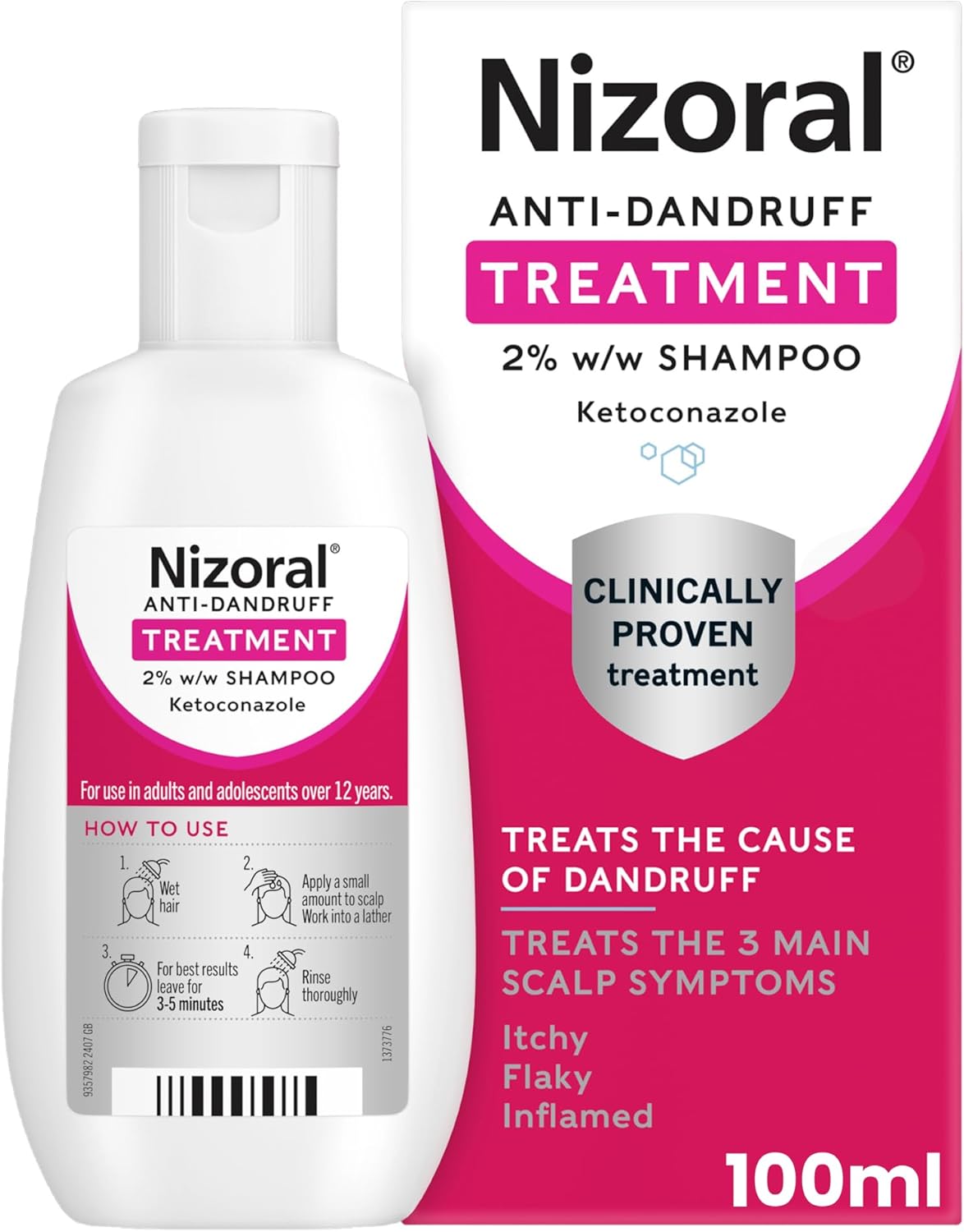
Most anti-dandruff shampoos are about as effective as rearranging deck chairs on the Titanic — they shift the flakes around without tackling what's causing them. Nizoral takes a different approach with ketoconazole, an antifungal ingredient that's actually clinically proven to treat the root cause of dandruff rather than just masking symptoms. At £11.87 for 100ml, it's not cheap compared to your typical Head & Shoulders, but the question is whether it's worth paying more for something that might actually work. I've spent considerable time researching the science behind ketoconazole and trawling through hundreds of user experiences to see if Nizoral lives up to its medical claims.
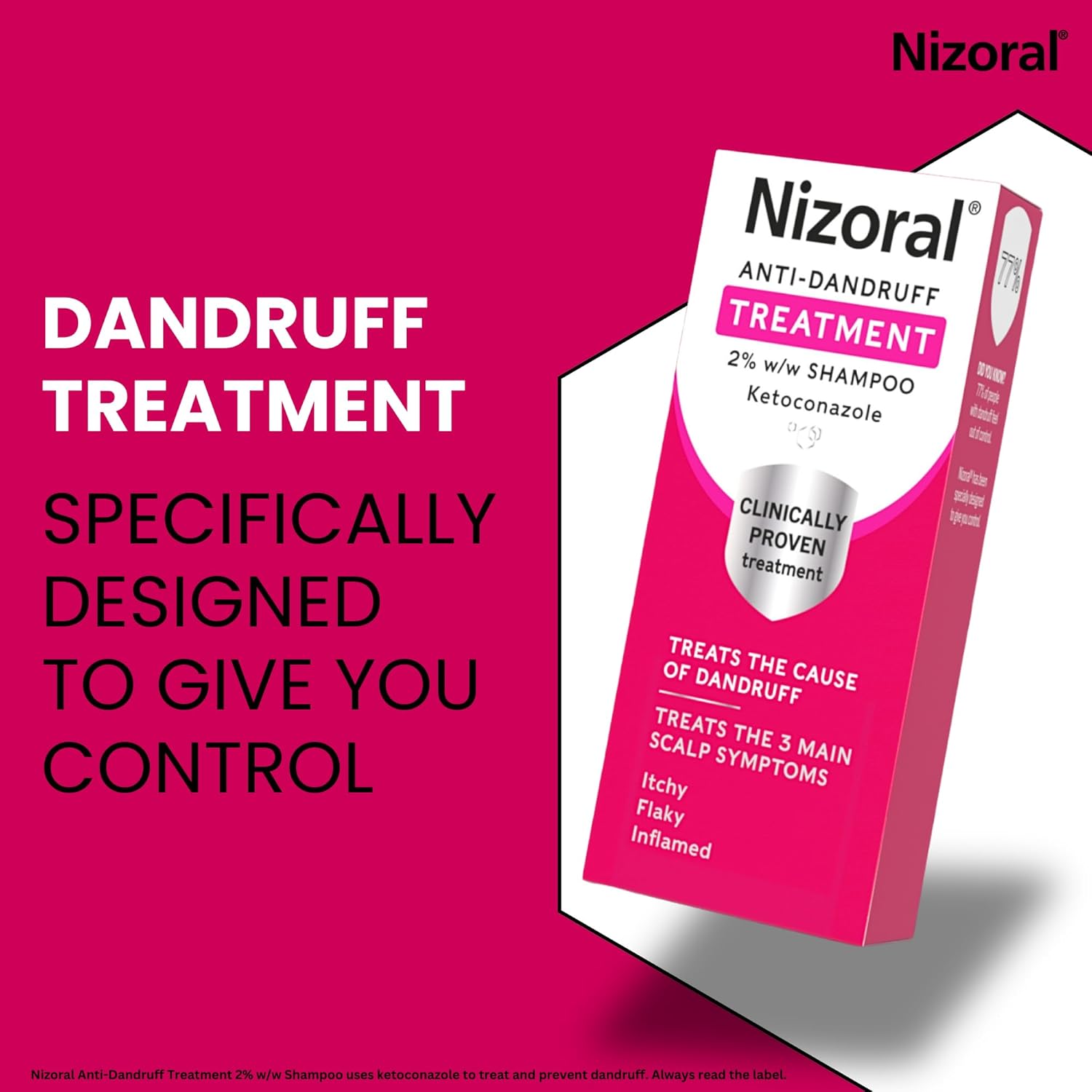
Here's where Nizoral gets interesting. Whilst most high-street dandruff shampoos rely on zinc pyrithione or selenium sulphide, Nizoral uses ketoconazole — the same antifungal compound you'd get in prescription treatments. The difference matters because dandruff isn't just dry skin; it's often caused by an overgrowth of Malassezia yeast on your scalp.
Ketoconazole doesn't just sweep away the evidence like traditional shampoos. It targets the yeast directly, which explains why the instructions tell you to leave it on for 3-5 minutes rather than the usual quick lather-and-rinse routine. This isn't a shampoo you use daily either — twice weekly for 2-4 weeks is the recommended protocol.
After reading through hundreds of Amazon reviews, the pattern is clear: Nizoral tends to be either brilliant or disappointing, with very little middle ground. Users reporting success often mention seeing results within the first few washes, particularly reduced itching and fewer visible flakes. Many describe it as the first product that actually worked after trying countless alternatives.
The negative reviews cluster around two main issues: the small bottle size for the price, and some users finding it too harsh for frequent use. Several reviewers mention that whilst it controls dandruff effectively, it can leave hair feeling slightly stripped or dry. A few noted that the benefits wear off if you stop using it, which isn't surprising given how the product works.
Let's address the elephant in the room: you're paying nearly twelve quid for what amounts to a travel-sized bottle. Compared to supermarket alternatives that offer 400ml for similar money, Nizoral looks expensive. However, because you're only using it twice weekly and need to leave it on for several minutes, a little goes further than you might expect.
The small size becomes more palatable when you consider this as a treatment rather than a regular shampoo. It's meant to be used alongside your normal hair care routine, not replace it entirely. Still, frequent users will find themselves reordering more often than they'd like.
Using Nizoral requires a bit more patience than your standard morning routine. The 3-5 minute contact time means you can't just splash and dash — you need to work it into a lather and actually wait. Some users find the medicinal smell off-putting, though it doesn't linger after rinsing.

The texture is fairly standard for a medicated shampoo, though it doesn't foam as luxuriously as cosmetic products. This can make it feel less satisfying to use, even though it's doing more work where it counts.
Nizoral delivers on its medical claims if you're dealing with persistent dandruff that regular shampoos haven't touched. The ketoconazole formula genuinely works differently from high-street alternatives, but you'll pay for the privilege. If budget dandruff shampoos have failed you and you're willing to invest in something more serious, it's worth trying.
As an Amazon Associate, Smart Trends earns from qualifying purchases.
Was this review helpful?


